
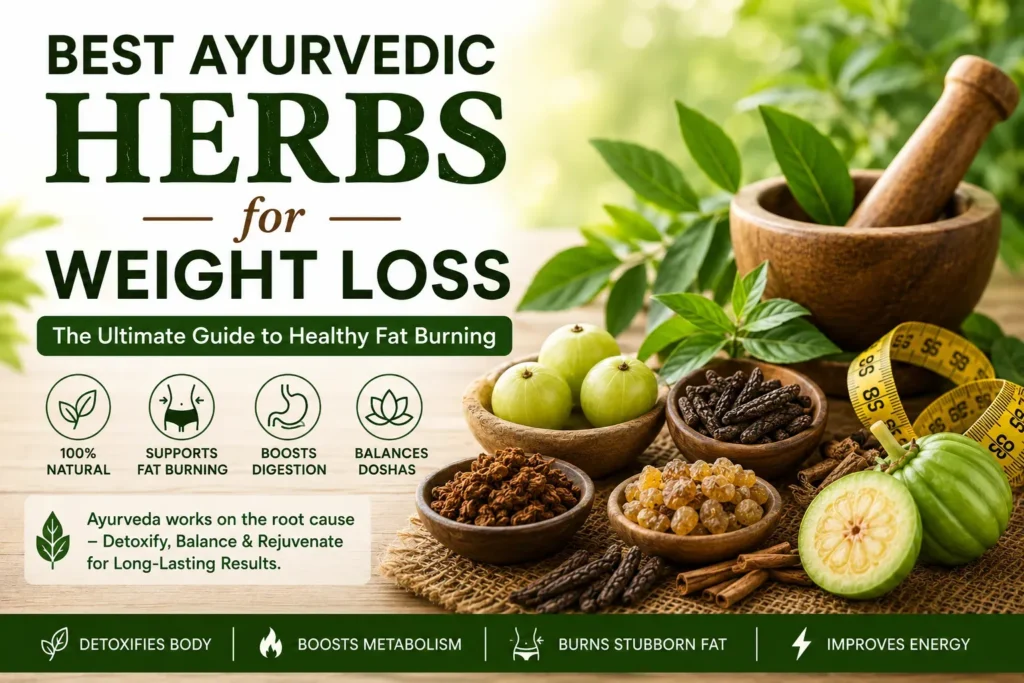
Welcome to Fatmukti, your trusted space for sustainable, natural, and holistic weight management. If you have spent years cycling through fad diets, extreme calorie deficits, and exhausting workout regimens only to see the weight bounce right back, you are not alone. The modern fitness industry often treats the human body like a simple machine—calories in, calories out. But your body is a complex ecosystem, and true weight loss requires balance, not deprivation.
If you are looking for the most effective Ayurvedic herbs for weight loss, you have to first understand that Ayurveda approaches weight management by looking at the root causes of weight gain. These include sluggish digestion, hormonal imbalances, toxic buildup, and energetic blockages. Instead of starving the body, Ayurveda focuses on nourishing it, reigniting your internal metabolic fire, and using the power of nature to encourage healthy fat burning.
In this comprehensive, science-backed guide, we will explore the core philosophy of Ayurvedic weight loss, detail the most powerful herbs to incorporate into your routine, and answer the most frequently asked questions to help you achieve lasting health.
Why Modern Diets Fail and Ayurveda Succeeds
To understand why natural remedies work better long-term, we first need to understand why modern, restrictive diets often fail. When you severely cut calories, your body goes into survival mode. It slows down your basal metabolic rate (BMR) to conserve energy, meaning you burn fewer calories at rest. Once you resume normal eating, your suppressed metabolism stores that food as fat, leading to the dreaded “yo-yo” effect.
Ayurveda takes a completely different route by focusing on three vital components:
Agni (Digestive Fire): In Ayurveda, your metabolism is governed by Agni. Think of Agni as a campfire. If the fire is strong, it burns the wood (food) efficiently, turning it into pure energy. If the fire is weak and smoldering, the wood doesn’t burn completely; it produces smoke and ash.
Ama (Toxins): That “smoke and ash” from poorly digested food is what Ayurveda calls Ama. Ama is a sticky, toxic residue that clogs your bodily channels, disrupts your hormones, and gets stored in fat cells. Until you clear Ama, losing weight is an uphill battle.
Lekhana (Fat Scraping): Instead of starving the body, Ayurveda utilizes specific herbs with Lekhana properties. These herbs have a naturally scraping, penetrating action that breaks down stubborn adipose tissue (fat) and clears out Ama.
The Role of Doshas in Weight Gain
Ayurveda categorizes human physiology into three primary mind-body types, or Doshas: Vata, Pitta, and Kapha.
Weight gain is almost always viewed as a Kapha imbalance. Kapha is responsible for structure, lubrication, and stability in the body. When it is balanced, you feel grounded, strong, and deeply nourished. However, because Kapha is made of earth and water elements, it is naturally heavy, slow, and cold.
When you overeat heavy, sweet, cold, or processed foods, or when you lead a sedentary lifestyle, Kapha accumulates. Your metabolism slows down, water retention increases, and fat is stubbornly stored, particularly around the thighs, hips, and belly. The right herbs specifically target this Kapha imbalance by introducing heat, lightness, and mobility back into the body.
The Top 8 Ayurvedic Herbs for Weight Loss
To effectively manage weight, you need a multi-faceted approach. You need herbs to detoxify the gut, boost metabolism, and scrape away stubborn fat. Here are the most potent Ayurvedic herbs for weight loss you can start using today.
1. Triphala: The Ultimate Detoxifier
Triphala translates to “three fruits.” It is a foundational Ayurvedic formulation consisting of Amalaki (Amla), Bibhitaki, and Haritaki.
You cannot lose weight effectively if your body is holding onto toxic waste. Triphala acts as a gentle, non-habit-forming colon cleanser. It flushes out Ama, improves nutrient absorption, and tones the gastrointestinal tract. A study published in the Alternative Therapies in Health and Medicine journal showed that humans supplementing with Triphala experienced significant reductions in weight and waist circumference. How to use it: Take 1/2 to 1 teaspoon of Triphala powder with a glass of warm water 30 minutes before bed.
2. Guggulu: The Deep Fat Scraper
Guggulu is a purified resin tapped from the Commiphora mukul tree, native to India. In classical Ayurvedic texts, Guggulu is the premier herb for Lekhana—the scraping away of accumulated fat and toxins from the deep tissues.
It contains active compounds called guggulsterones, which have been scientifically shown to stimulate the thyroid gland (which regulates metabolism) and support healthy lipid profiles (cholesterol and triglycerides). It essentially commands the body to use stored fat for energy. How to use it: Guggulu is rarely taken alone; it is usually formulated as Triphala Guggulu or Medohar Guggulu. The standard dosage is generally one tablet twice a day with warm water.
3. Garcinia Cambogia (Vrikshamla): The Fat Blocker
This tropical fruit looks like a small green pumpkin and is widely used in traditional Indian cooking for its sour taste.
Garcinia is famous worldwide for its active ingredient, Hydroxycitric Acid (HCA). HCA directly blocks an enzyme called citrate lyase, which your body uses to make fat out of carbohydrates. Furthermore, it raises serotonin levels in the brain, which helps you feel less hungry and prevents emotional binge eating. How to use it: Garcinia is best taken in extract or capsule form, approximately 30 to 60 minutes before your main meals.
4. Fenugreek (Methi): The Craving Crusher
Fenugreek is a common household spice with small, golden-brown seeds and a slightly bitter, maple-like flavor.
Weight gain is heavily tied to insulin spikes. When you eat, insulin spikes to shuttle sugar into your cells; whatever isn’t used is stored as fat. Fenugreek seeds are incredibly rich in galactomannan, a water-soluble fiber that slows down the absorption of sugar into the bloodstream. This keeps insulin levels stable, preventing the body from storing excess fat and keeping you fuller for much longer. How to use it: Soak 1 teaspoon of methi seeds in a glass of water overnight. In the morning, drink the water and chew the seeds on an empty stomach.
5. Ashwagandha: The Cortisol Balancer
Ashwagandha is one of the most powerful adaptogenic roots in Ayurvedic medicine. High stress levels produce high amounts of the hormone cortisol. Chronic cortisol elevation tells your body to hold onto fat, especially visceral fat around the belly.
Ashwagandha doesn’t burn fat by heating the body; it burns fat by calming the nervous system, drastically lowering cortisol levels, and stopping stress-induced emotional eating in its tracks. How to use it: Take 500mg of Ashwagandha root extract with warm water or warm almond milk before bed to promote deep, restorative sleep.
6. Trikatu: The Thermogenic Fire Starter
Trikatu is a potent blend of three pungent spices: Black Pepper (Kali Mirch), Long Pepper (Pippali), and Dried Ginger (Saunth).
If your metabolism is completely frozen, Trikatu acts as the match to light the fire. It is highly thermogenic, meaning it raises your core body temperature to burn more calories. Additionally, the piperine in the pepper enhances the bioavailability (absorption) of all the nutrients and other herbs you consume. How to use it: A tiny pinch (about 1/4 teaspoon) of Trikatu powder mixed with a small spoon of raw, unheated honey 15 minutes before lunch helps prepare the stomach for robust digestion.
7. Cinnamon (Dalchini): The Sugar Stabilizer
Dalchini is the sweet, warming bark of the cinnamon tree. Similar to fenugreek, cinnamon is an anti-diabetic powerhouse. It mimics insulin, improving glucose uptake by your cells. By keeping your blood sugar stable, it prevents the mid-afternoon energy crashes that send you reaching for sugary snacks and simple carbohydrates. How to use it: Sprinkle half a teaspoon of high-quality Ceylon cinnamon onto your morning oatmeal, or brew it into a warm morning tea.
8. Punarnava: The Water Weight Warrior
Punarnava is an Ayurvedic weed whose name literally translates to “that which makes new again.” Many people struggling with weight are actually carrying pounds of excess fluid and inflammation.
Punarnava is a powerful, potassium-sparing diuretic. It flushes out retained water, supports kidney and liver function, and reduces systemic swelling without stripping the body of essential electrolytes. How to use it: Typically taken as a juice or capsule under the guidance of a practitioner.
How to Create Your Ayurvedic Fat-Burning Routine
Taking herbs randomly won’t yield the best results. Ayurveda is a system of lifestyle, or Dinacharya (daily routine). To get the absolute maximum fat-burning potential from these natural remedies, integrate them into this structured daily plan:
The Morning Flush (6:00 AM – 7:00 AM): Wake up and scrape your tongue to remove overnight Ama. Drink a large glass of warm water with a squeeze of fresh lemon to alkalize the body. Follow this by drinking your overnight soaked Methi (fenugreek) water.
The Mid-Day Fire (12:00 PM – 1:30 PM): Make lunch your largest meal of the day. In Ayurveda, your internal digestive fire (Agni) mimics the sun. When the sun is highest in the sky, your digestion is strongest. Take your Garcinia or Trikatu 30 minutes before this meal.
The Evening Wind Down (6:30 PM – 7:30 PM): Eat a light dinner. Soups, steamed vegetables, and light lentils are perfect. Take Ashwagandha an hour after dinner to calm the mind, followed by Triphala right before bed to sweep the digestive tract overnight.
Common Mistakes to Avoid
While these botanical remedies are natural, they are powerful. Avoid these common pitfalls to ensure your weight loss journey on Fatmukti is safe and effective:
Relying Only on Supplements: Herbs are catalysts, not magic pills. Taking Guggulu while continuing to eat processed junk food and living a sedentary lifestyle will yield zero results.
Impatience: Ayurvedic treatments do not aggressively strip the body of water weight in three days. They work cellularly to repair metabolism. Give your body at least 6 to 8 weeks of consistent use to see tangible, lasting changes.
Ignoring Your Dosha: If you have a fiery Pitta constitution (prone to heartburn, acidity, and running hot), taking heavily heating herbs like Trikatu might cause acid reflux. Always tailor your routine to your specific body type.
Conclusion
At Fatmukti, we believe that achieving your ideal weight shouldn’t feel like a punishment. By embracing the holistic science of Ayurveda, you can step away from the toxic cycle of crash dieting.
When you incorporate these Ayurvedic herbs for weight loss into your daily routine—clearing out toxins with Triphala, scraping away stubborn fat with Guggulu, regulating your blood sugar with Fenugreek, and managing stress with Ashwagandha—you are addressing the root cause of weight gain. Pair these potent remedies with mindful eating and staying active. Reignite your metabolic fire, and the fat will melt away naturally.
Frequently Asked Questions (FAQs)
How long does it take for Ayurvedic herbs for weight loss to show results?
Typically, it takes 4 to 8 weeks of consistent use to see measurable weight loss. Because Ayurveda focuses on healing the root cause of metabolic dysfunction (like hormonal imbalance and poor digestion) rather than just dropping rapid water weight, the results are gradual but highly sustainable.
Can I take Triphala every day?
Yes, Triphala is uniquely balancing and is one of the few Ayurvedic formulations safe for daily, long-term use. It acts as a gentle daily detoxifier and bowel regulator without causing dependency or stripping the colon of its natural mucosal lining.
Are there side effects to natural Ayurvedic fat burners?
When taken correctly, they have minimal side effects. However, highly thermogenic (heating) herbs like Trikatu or Ginger can cause heartburn in individuals with high body heat (Pitta dominance). It is always best to start with small doses.
Which Ayurvedic Dosha gains weight the fastest?
The Kapha dosha is the most prone to rapid weight gain and difficulty losing it. Kapha is composed of earth and water elements, meaning its qualities are naturally slow, heavy, and stable. When Kapha is imbalanced, it leads to a sluggish metabolism and the accumulation of stubborn fat.
Does drinking warm water actually help burn fat?
Yes. In Ayurveda, drinking cold or iced water extinguishes your digestive fire (Agni) and causes fat to harden in the digestive tract. Sipping warm water throughout the day dilates blood vessels, increases blood flow to the digestive organs, and gently encourages the continuous melting and flushing out of toxins.